




Dental Bridges in Wheaton, IL
A missing tooth affects more than your appearance. It changes the way you chew, speak, and smile, and over time it allows neighboring teeth to shift out of position. Dental bridges at 20/32 Dental Co. in Wheaton, IL are a proven, reliable way to fill the gap, restore your bite, and give you back the confidence to smile without hesitation. Dr. de la Fuente provides custom bridges for patients from Wheaton, Glen Ellyn, Carol Stream, and across DuPage County.
What Is a Dental Bridge?
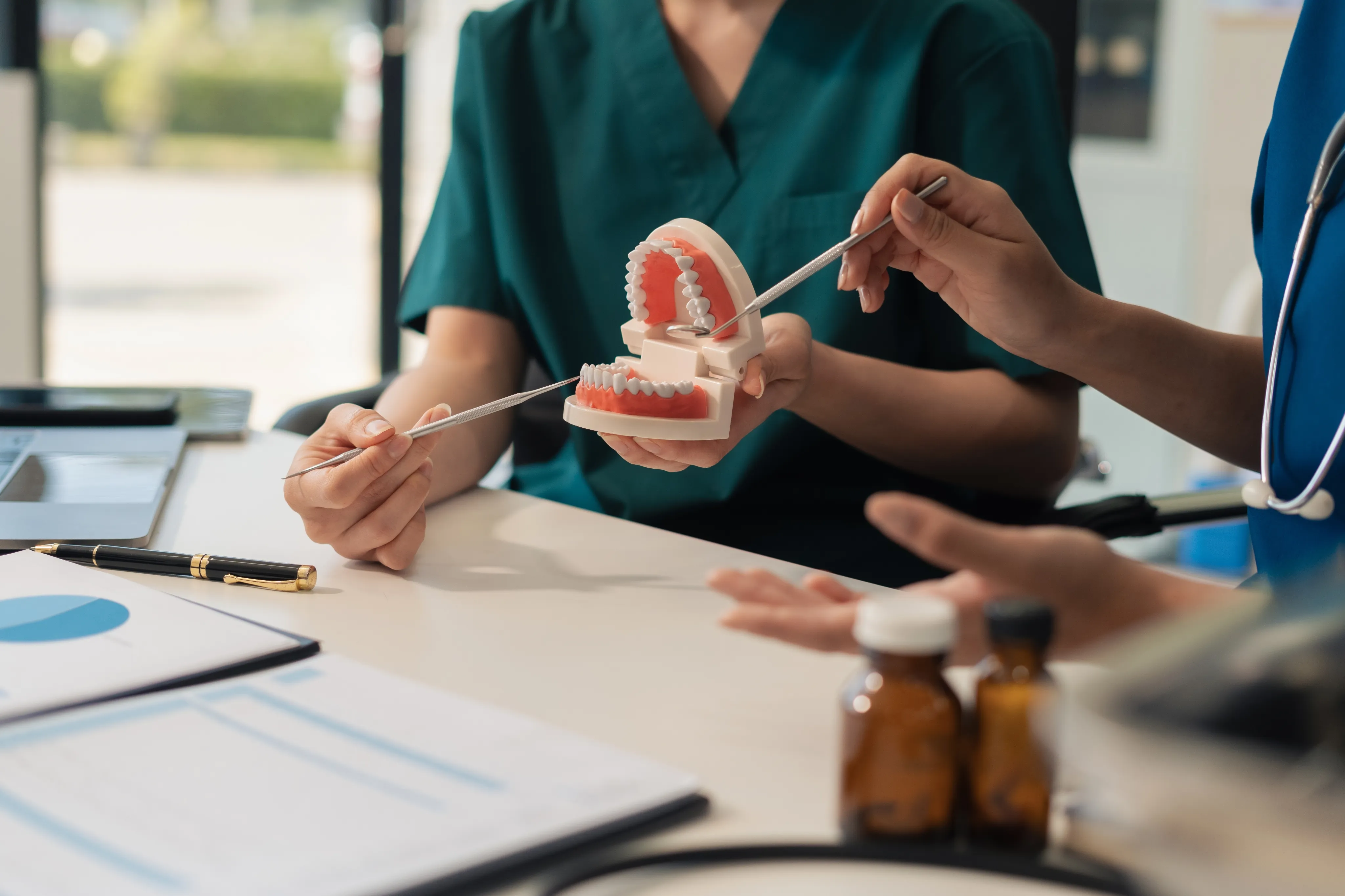
A dental bridge is a fixed restoration that literally bridges the gap created by one or more missing teeth. It consists of one or more artificial teeth (called pontics) held in place by dental crowns attached to the natural teeth or implants on either side of the gap. Once cemented in place, a bridge looks, feels, and functions like your natural teeth.
Types of Bridges We Offer
Traditional Bridge
The most common type, a traditional bridge uses crowns on the teeth adjacent to the gap to anchor one or more pontics. It is an excellent option when you have strong, healthy teeth on both sides of the missing tooth.
Implant-Supported Bridge
When multiple adjacent teeth are missing or the neighboring teeth are not strong enough to support a traditional bridge, dental implants can serve as anchors. This option preserves natural tooth structure and provides exceptional stability.
Maryland Bridge
A more conservative option, a Maryland bridge uses metal or porcelain wings bonded to the backs of adjacent teeth rather than full crowns. It is best suited for front teeth where bite forces are lighter.
Benefits of Dental Bridges
Restore Your Smile
A bridge fills the visible gap, giving you a complete, natural-looking smile you can be proud of.
Maintain Facial Structure
Missing teeth can cause the face to sag over time. A bridge supports your facial contours and prevents premature aging.
Prevent Teeth From Shifting
When a gap is left open, adjacent teeth gradually drift into the space, causing bite problems and increasing the risk of decay. A bridge keeps everything in alignment.
Eat and Speak Normally
A properly fitted bridge restores your ability to chew a full range of foods and speak clearly without the tongue compensating for a missing tooth.
The Bridge Process
Step 1: Evaluation
Dr. de la Fuente examines the area, takes digital X-rays, and discusses whether a traditional, implant-supported, or Maryland bridge is best for you.
Step 2: Tooth Preparation
The anchor teeth are gently reshaped to accommodate crowns. Impressions or digital scans are taken and sent to the lab.
Step 3: Temporary Bridge
A temporary bridge protects the prepared teeth while your custom bridge is being fabricated.
Step 4: Permanent Placement
Once your bridge is ready, Dr. de la Fuente checks the fit, color, and bite, then permanently cements it in place.
Frequently Asked Questions About Dental Bridges

With proper care and regular dental visits, a dental bridge can last 10 to 15 years or longer. Good oral hygiene and avoiding very hard or sticky foods help extend the life of your bridge.
Both are excellent options for replacing missing teeth. A bridge is typically faster to place and less invasive, while an implant preserves bone and does not require altering adjacent teeth. Dr. de la Fuente will help you choose the best option for your situation.
Brush twice daily, floss under the bridge using a floss threader or water flosser, and keep up with your regular dental exams. Our team will show you the best techniques for cleaning around your bridge.
The procedure is performed under local anesthesia, so you should not feel pain during placement. Some mild sensitivity is normal for a few days afterward and can be managed with over-the-counter medication.
Close the Gap and Complete Your Smile
A missing tooth does not have to hold you back. Schedule your dental bridge consultation at our Wheaton, IL office today.
Book An Appointment

* Fields with asterisks are required.